
What Makes a Modern Home Design Truly Timeless?
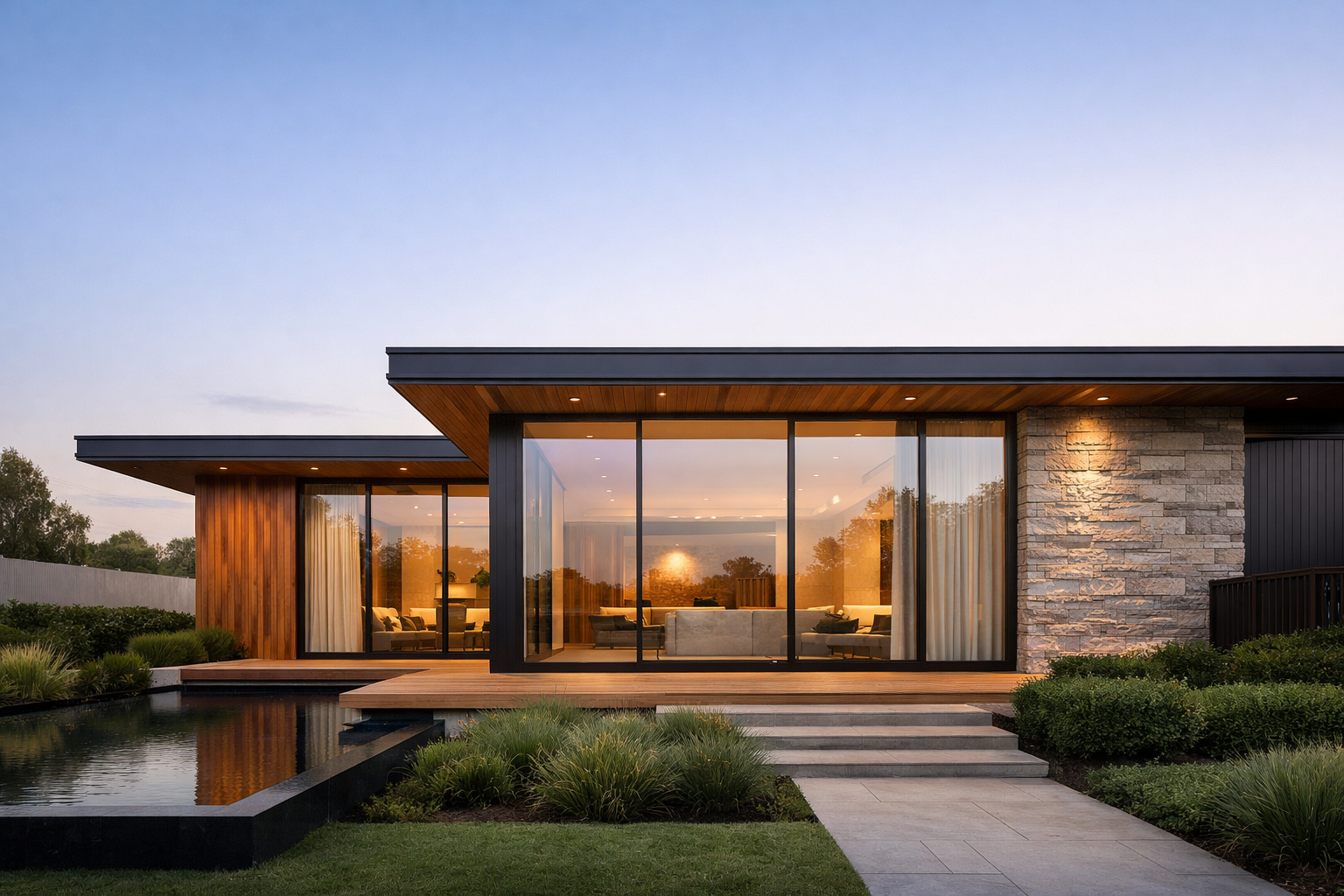
Modern home design is often associated with clean lines and minimal detailing. But timeless modern home design is something far deeper. It is not about what is trending this year. It is about creating a home that remains relevant, functional and beautiful for decades.
For homeowners considering modern home design in Melbourne, the real question is not how to make a home look current today. It is how to ensure it still feels refined, calm and considered in twenty years.
At Sketch, our approach to architectural design in Melbourne is grounded in proportion, clarity and long-term thinking. A timeless modern home is not accidental. It is the result of deliberate design decisions made from the very beginning.
You can learn more about our broader approach to architectural home design.
Modern Home Design in Melbourne Begins With Proportion
Proportion is the foundation of timeless architecture.
Ceiling heights, room widths, glazing ratios and circulation spaces all influence how a home feels. When these elements are carefully composed, the result is balance. The home feels calm rather than exaggerated. Generous rather than oversized.
In Melbourne’s established suburbs, where streetscapes often combine heritage and contemporary homes, proportion is especially important. A modern house design that respects scale will sit comfortably within its context and age gracefully.
Trends come and go. Good proportion rarely dates.
Simplicity Over Statement
Truly timeless modern home design does not rely on novelty.
Instead of complex forms or decorative gestures, it embraces clarity. Simple volumes, a clear hierarchy of spaces and restrained material palettes create longevity. This does not mean minimalism for its own sake. It means removing what is unnecessary so the architecture can speak clearly.
When design intent leads the process, the outcome feels resolved rather than assembled. We explore this distinction further in our article on custom home design vs documentation.
Simplicity is not about doing less. It is about doing the right things well.
Orientation and Natural Light Shape Timeless Living
One of the defining characteristics of modern home design in Australia is its relationship to climate.
In Melbourne, seasonal variation is significant. A timeless modern home responds intelligently to orientation, capturing northern light into living areas while managing summer heat. Thoughtful glazing placement, shading devices and cross ventilation strategies contribute to year-round comfort.
Passive design principles are central to this approach. The Australian Government’s Your Home guide provides an overview of climate-responsive design fundamentals.
A home that feels comfortable in winter and cool in summer will always feel more successful than one that simply photographs well.
Materials That Improve With Age
Timeless modern homes rely on materials that weather gracefully.
Natural stone, timber, brick and carefully detailed metal elements develop character over time. They soften and mature rather than deteriorate visually. By contrast, highly specific finishes or trend-driven colours can quickly feel dated.
A restrained and cohesive material palette allows the architecture to remain the focus. Interiors can evolve over time without the need for major structural change.
You can see examples of considered material selection in our residential projects gallery.
When materials are selected for integrity rather than impact alone, longevity follows.
Functional Planning That Adapts Over Time
A timeless modern house design must accommodate change.
Families grow. Work patterns shift. Lifestyles evolve. A well-designed home anticipates this. Flexible secondary living areas, adaptable guest suites or ground floor bedrooms that support aging in place all contribute to long-term usability.
Open plan living remains popular in modern home design Melbourne projects, but it must be carefully zoned. Poorly resolved open spaces can create acoustic and privacy challenges. We discuss common pitfalls in our article on open plan mistakes:
8 Open-Plan Mistakes — and How to Avoid Them
Timelessness is not rigidity. It is adaptability supported by intelligent planning.
Context and Site Response
A modern home should feel grounded in its site.
In Melbourne’s inner suburbs, heritage overlays, narrow lots and neighbouring properties influence form and massing. In coastal or semi-rural settings, wind exposure, views and landscape integration become central considerations.
A timeless modern home design responds to these conditions rather than ignoring them. When architecture acknowledges its surroundings, it feels anchored and authentic.
Our residential design philosophy is built on this site-responsive thinking.
Contextual design strengthens both longevity and long-term property value.
Detailing and Craft Define Quality
Timeless homes are often distinguished by what is not immediately visible.
Joinery alignment, shadow lines, door heights, junctions between materials and the consistency of detailing all contribute to a sense of refinement. These elements rarely draw attention individually, yet collectively they define quality.
In bespoke modern home design, this level of resolution requires collaboration between designer, client and builder. It cannot be improvised late in the process. It must be embedded from concept through documentation.
The design process plays a critical role in achieving this outcome. You can read more about our structured approach here: Residential Building Design Process in Melbourne
Timelessness is built through discipline and clarity.
Avoiding Trend-Driven Decisions
Social media cycles move quickly. Bold tiles, statement lighting and highly specific finishes often dominate for a short period before fading.
While personality and character are important, permanent architectural decisions should not be dictated by short-term trends. Elements such as external form, structural layout and primary materials should be grounded in longevity.
Interior styling, furnishings and artwork can evolve over time. The architecture should remain calm and confident beneath them.
A modern home that avoids trend dependency is more likely to feel relevant for generations.
The Role of Experience in Timeless Design
Timeless modern home design is not defined by a single aesthetic. It is defined by judgement.
Experience allows a design team to know when to edit, when to simplify and when to refine. It ensures that proportions are resolved, materials are balanced and spaces function as intended.
At Sketch, our focus is on bespoke, high-end residential design in Melbourne. Every project is approached with a design-led mindset, prioritising clarity, context and long-term value over short-term visual impact.
Frequently Asked Questions
What is timeless modern home design?
Timeless modern home design combines clean architectural lines with balanced proportions, natural materials and functional planning. It avoids short-term trends and focuses on long-term liveability and quality.
Is modern home design still popular in Melbourne?
Yes. Modern home design remains highly sought after in Melbourne, particularly when it responds thoughtfully to site conditions, heritage context and climate.
How do you make a modern home feel warm?
Warmth comes from natural light, texture and material selection. Timber, stone and layered lighting soften minimal forms and create comfortable living environments.
What materials make a home timeless?
Materials that age well, such as natural stone, brick, timber and well-detailed metalwork, contribute to longevity. Restrained palettes are generally more enduring than bold, trend-driven finishes.
Does open plan living suit every modern home?
Not always. While open plan layouts are common in modern house design, careful zoning and acoustic control are essential to ensure comfort and privacy.
How important is sustainability in modern home design?
Sustainability is critical. Climate-responsive orientation, passive solar principles and energy-efficient design improve comfort and reduce long-term operating costs.
Can a modern home suit a heritage suburb?
Yes. Contemporary architecture can complement heritage areas when scale, setbacks and materiality are carefully considered and sensitively resolved.
Does timeless design increase property value?
Homes that are well designed, context-responsive and built with quality materials tend to maintain stronger long-term value compared to trend-driven alternatives.
How long does it take to design a bespoke modern home?
Timelines vary depending on complexity, planning requirements and client brief. A structured design process ensures clarity from concept through to documentation and construction.
Designing a Modern Home That Endures
A modern home becomes timeless when it is grounded in proportion, clarity, material integrity and thoughtful planning. It responds to climate, context and the evolving needs of its occupants.
If you are planning a modern home design in Melbourne and value considered, design-led thinking over standardised solutions, our team would be pleased to guide you.
Learn more about our studio and philosophy.
Or contact us to begin a conversation about your project.