
Modern Home Design in Melbourne for Sustainable Living
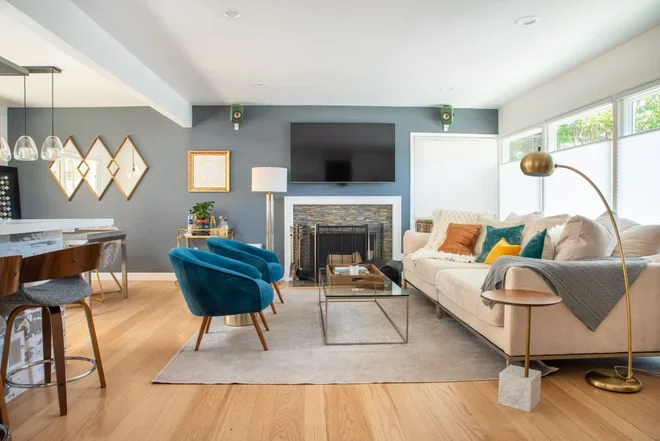
Modern home design in Melbourne has changed because clients have changed. Most people are not asking for bigger homes anymore. They want homes that stay comfortable through a 38 degree day, hold warmth in winter, and still look refined.
You might be planning a renovation or a new build and wondering how to get both. A home that performs well without looking like a sustainability project. That balance comes down to decisions made early, not things added later.
Why modern home design in Melbourne is shifting
A lot of homes built ten or fifteen years ago struggle today. Too much glass facing the wrong direction. Living areas that overheat by mid afternoon. Rooms that never see winter sun.
You see it often in Melbourne’s inner suburbs. A narrow block, neighbours close on both sides, limited natural light. If the layout is not resolved properly, the house ends up relying on heating and cooling all year.
Modern house design in Melbourne is shifting away from that. The focus is back on orientation and layout. Where the living areas sit. How light moves through the home. How air flows from front to back. This is also explored in more detail in what makes a modern home design truly timeless.
On a typical south facing block, that might mean pushing living spaces to the rear to capture northern light. It might mean introducing a courtyard halfway through the plan so light reaches the centre of the home. These are not styling decisions. They change how the home feels every day.
Start with the site, not the add-ons
It is tempting to jump straight to solar panels, double glazing, and battery systems. They all have a place, but they do not fix a poor layout.
A well-resolved modern home design in Melbourne starts with the basics. Orientation. Window placement. Shading. Thermal mass.
For example, a north facing living area with proper eaves can block high summer sun while still letting winter sun in. That reduces heat gain in summer and helps warm the home in winter without relying on systems.
Compare that to a west facing wall of glass. By 3pm in summer, that room can be several degrees hotter than the rest of the house. No amount of technology fixes that completely.
This is where experienced building designers in Melbourne spend most of their time. Not on finishes. On planning decisions that you cannot easily change later.
Materials that do more than look good
Material selection is not just about appearance. It affects how the home performs day to day.
Concrete slabs, brick walls, and stone floors can store heat during the day and release it slowly as temperatures drop. That helps stabilise internal temperatures, especially in Melbourne where nights cool down quickly.
Lightweight construction can still work, but it needs to be detailed properly. Insulation levels, sealing, and glazing all need to be right. You can learn more about performance-focused planning through this guide from Your Home by the Australian Government.
Then there is durability. A material that needs replacing every ten years is not a sustainable choice, even if it looks good initially. Hardwood timber, quality joinery, and well-finished surfaces tend to last longer and age better.
You feel the difference in a home where materials have been properly considered. It is quieter. More stable. Less reactive to outside conditions.
Interiors are part of the performance
Sustainability does not stop at the exterior walls. The way a home is planned internally has a big impact on how it works.
Think about how often certain spaces are used. If a second living area sits empty most of the year, that is wasted space and wasted energy. A more compact, better connected layout often works harder.
Storage also plays a role. If there is no proper storage, the home becomes cluttered quickly. People start to outgrow the space sooner than expected. That leads to renovations that could have been avoided. This is something often addressed in home renovation design in Melbourne projects.
Even small decisions matter. Window coverings that control light and heat. Lighting that reduces reliance on overhead fixtures. Materials that do not off gas and affect indoor air quality.
When architecture and interiors are considered together, the home feels consistent. Not patched together.
Where most projects go wrong
The biggest issues usually come from timing. Sustainability is treated as something to layer in once the design is already set.
By that stage, the layout is locked. Windows are fixed. Orientation cannot change. You are left trying to improve performance with upgrades instead of shaping it from the start.
That is when costs climb. Changes during documentation or construction are expensive. They also tend to be compromises. For a clearer breakdown of how this process should work, see the residential building design process in Melbourne.
A better approach is to resolve these decisions early. Before drawings are finalised. Before permits. When changes are still simple to make.
Designing for long term comfort
A sustainable home should still feel good to live in ten or fifteen years from now.
That means thinking beyond current needs. Will the layout still work if your family grows. Will the home still feel comfortable as energy costs change. Will materials still look right as they age.
Melbourne’s climate makes this more noticeable. A home that works across both hot summers and cold winters has been properly thought through.
This is where good design holds its value. Not just in resale, but in how little you need to adjust or fix over time. You can see examples of this thinking in the Sketch gallery of completed homes.
Bringing it together
Modern home design in Melbourne works best when performance and aesthetics are resolved at the same time. Not one after the other.
If you are planning a renovation or a new home, the early design phase is where the biggest gains are made. Get the layout, orientation, and material decisions right, and the rest becomes far simpler.
If you are looking to create a home that feels considered, comfortable, and built to last, speak with the team at Sketch. They design modern homes across Melbourne with a focus on how people actually live, not just how the home looks on day one.