
Home Design in Melbourne: A Design-Led Approach
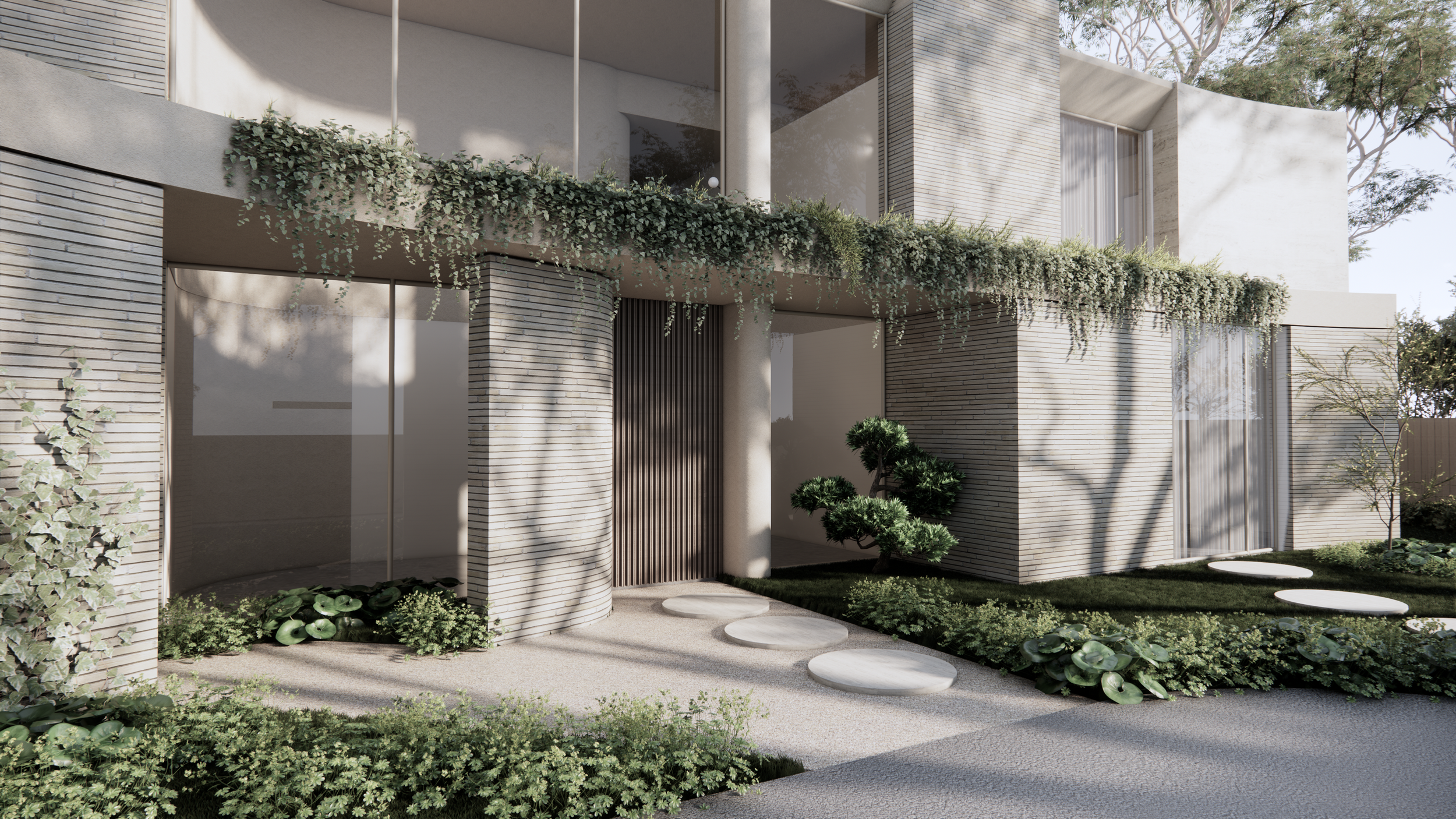
Home design in Melbourne demands more than producing compliant drawings. It requires a clear design vision that responds to site, climate, lifestyle, and long-term value. A design-led approach places architecture at the centre of the process, shaping every decision from concept through to construction.
For homeowners planning a custom home or premium renovation, this distinction is critical. Melbourne’s planning controls, diverse neighbourhoods, and evolving expectations around sustainability mean that early design thinking directly affects how well a home performs and how it feels to live in over time.
At Sketch, architectural home design is approached as a collaborative and considered process. Each project is shaped around the people who will live there, the character of the site, and the architectural outcome required, rather than starting with pre-determined layouts or builder-driven constraints.
What design-led architectural home design means
Design-led architectural home design begins with understanding how a home should function, feel, and respond to its environment before documentation begins. Spatial relationships, orientation, natural light, privacy, and material intent are resolved early so the design can be carried through consistently.
This approach ensures that architectural decisions are not compromised later in the process. When design intent is clear from the outset, documentation supports the architecture rather than redefining it. The result is a home that feels cohesive, resolved, and tailored to its occupants.
In Melbourne, where sites vary dramatically and planning frameworks can be complex, this clarity is particularly valuable.
Why architectural home design matters in Melbourne
Melbourne’s residential context presents unique challenges and opportunities. Inner-city sites often involve heritage overlays and tight boundaries, while suburban and coastal locations introduce considerations around orientation, privacy, and environmental exposure.
Architectural home design allows these factors to inform the design rather than restrict it. A well-considered design can maximise natural light on narrow blocks, create meaningful indoor-outdoor connections, and respond sensitively to surrounding streetscapes.
Design-led homes also tend to perform better during the planning process. Clear architectural rationale helps demonstrate considered outcomes to councils and consultants, reducing friction and avoiding reactive design changes later.
Architectural design versus drafting-led outcomes
The difference between architectural home design and drafting-led services is not just aesthetic. Drafting typically focuses on producing drawings efficiently, often after key decisions have already been made or imposed. This can lead to compromises that only become apparent during construction.
Architectural home design prioritises decision-making early. Proportions, circulation, and spatial quality are tested and refined before drawings are finalised. This reduces uncertainty, limits design revisions on site, and protects the overall vision of the home.
For clients investing in bespoke residential projects, this approach provides confidence. It ensures that the finished home reflects the original intent rather than a series of compromises.
Designing homes around Melbourne lifestyles
Architectural home design in Melbourne must respond to how people live today and how those needs may change over time. Flexible living spaces, strong connections to outdoor areas, and integrated work-from-home zones are now fundamental rather than optional.
A design-led approach allows these requirements to be addressed without relying on generic solutions. Homes are designed around daily routines, seasonal changes, and long-term adaptability. Material selections are considered for durability and ageing, while passive design principles are integrated to improve comfort and energy performance.
Sketch’s approach to residential design reflects these priorities across both new homes and renovations. Completed projects can be viewed in the residential gallery.
Collaboration throughout the architectural process
Strong architectural outcomes rely on collaboration. A design-led process encourages clear communication between client, designer, consultants, and builder from the early stages of a project.
When architectural intent is well defined, it becomes easier to balance design quality with practical considerations such as budget, buildability, and staging. Documentation becomes a tool to support construction rather than resolve design issues late in the process.
This level of coordination reduces uncertainty for all parties and helps ensure that the built outcome aligns with the original design vision.
Architectural home design as a long-term investment
Architectural home design is not about following trends. It is about creating homes that remain functional, adaptable, and visually relevant over time. In Melbourne’s premium residential market, thoughtful architecture contributes directly to long-term value.
Homes designed with restraint and clarity tend to age better, require fewer alterations, and offer greater flexibility as needs change. Decisions made early in the design process influence energy efficiency, maintenance, and liveability for decades.
For homeowners planning a custom home or renovation, investing in architectural thinking from the outset often results in better outcomes both practically and financially.
If you would like to understand Sketch’s design philosophy in more detail, visit the studio’s About page.
For independent guidance on residential building standards and approvals in Victoria, the Victorian Building Authority provides helpful resources.
Frequently Asked Questions
What is architectural home design?
Architectural home design focuses on creating homes through a considered design process that responds to site, context, and lifestyle rather than relying on standard layouts or templates.
How is a design-led approach different from drafting services?
A design-led approach prioritises architectural intent and spatial quality before documentation begins, while drafting services typically focus on producing drawings once decisions are already constrained.
Is architectural home design suitable for renovations?
Yes. Architectural design is particularly valuable for renovations where existing structures, planning controls, and lifestyle requirements must be carefully resolved.
Does architectural home design cost more?
While it involves more upfront thinking, it often reduces costly changes during construction and leads to stronger long-term outcomes.
How does architectural design help with council approvals in Melbourne?
Clear design rationale and well-resolved outcomes make it easier to respond to planning requirements and council feedback.
Can architectural home design improve energy efficiency?
Yes. Passive design principles, orientation, and material selection are typically integrated early in a design-led process.
When should a residential design studio be engaged?
Ideally before any documentation or builder engagement so architectural decisions guide the entire project.
Does Sketch only design large or high-end homes?
Sketch focuses on bespoke residential projects where architectural quality and design integrity are prioritised, including custom homes and premium renovations.
How involved are clients in the design process?
Clients are closely involved throughout, with collaboration and clear communication forming a core part of the approach.
Discuss Your Project Today
If you are planning a custom home or renovation in Melbourne and want a design-led architectural approach that prioritises clarity, longevity, and lifestyle, explore Sketch’s residential work or get in touch to discuss your project direction.